Following the Council of Ministers’ Decision: Al-Khalili Meets with Gender Units to Advance and Strengthen Their Work in Government and Security Institutions
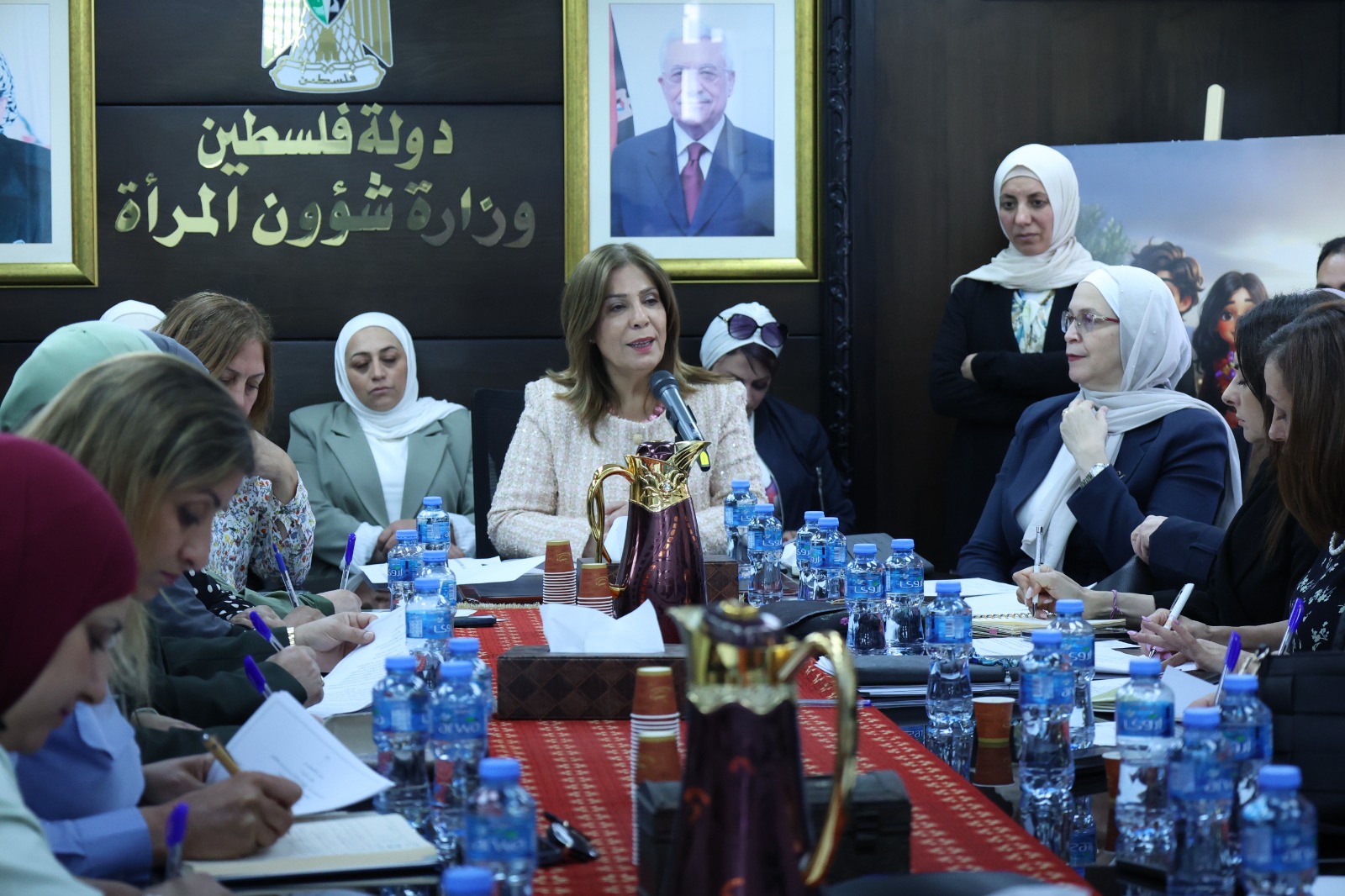
Following the Council of Ministers’ Decision: Al-Khalili Meets with Gender Units to Advance and Strengthen Their Work in Government and Security Institutions
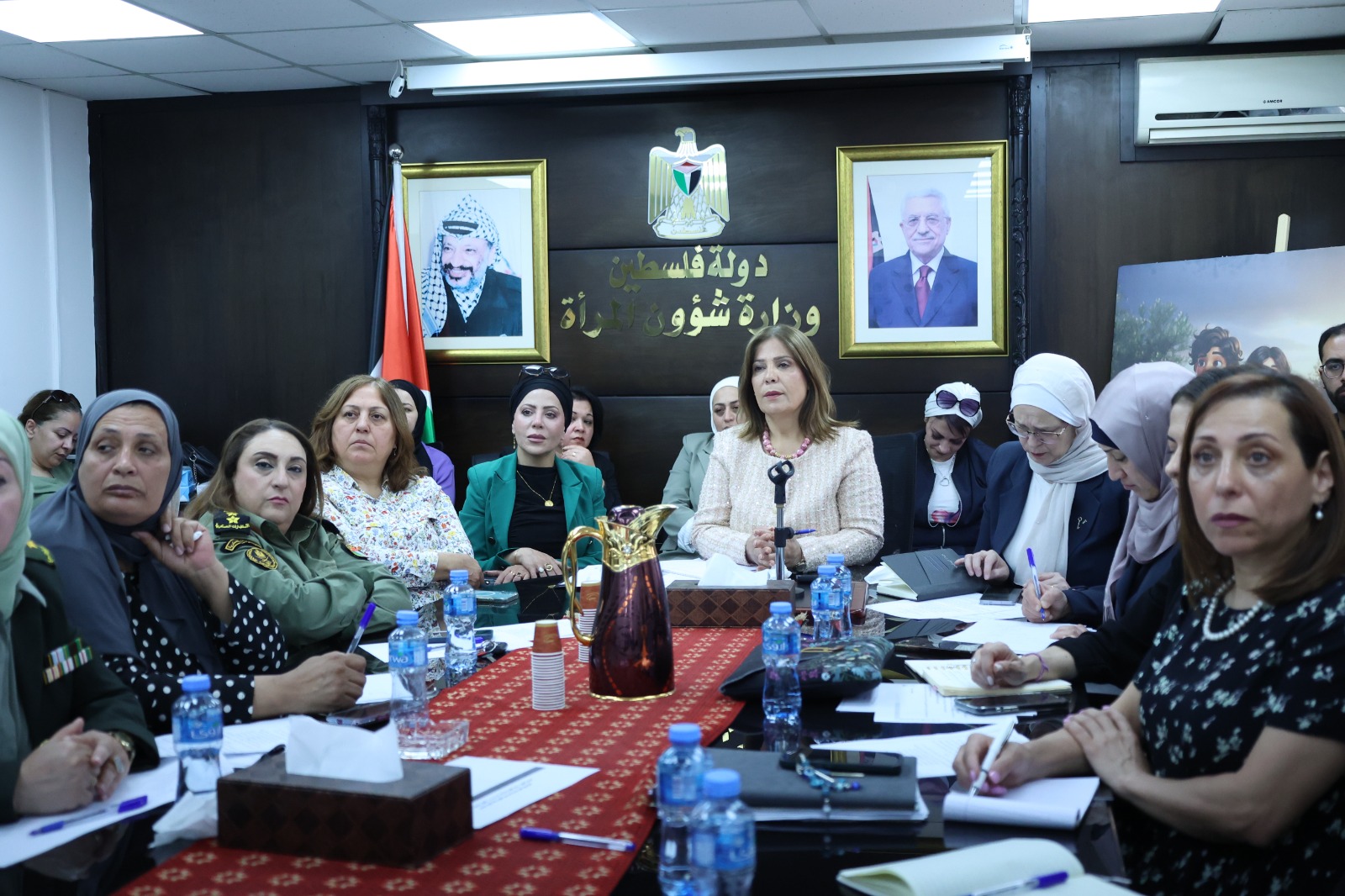
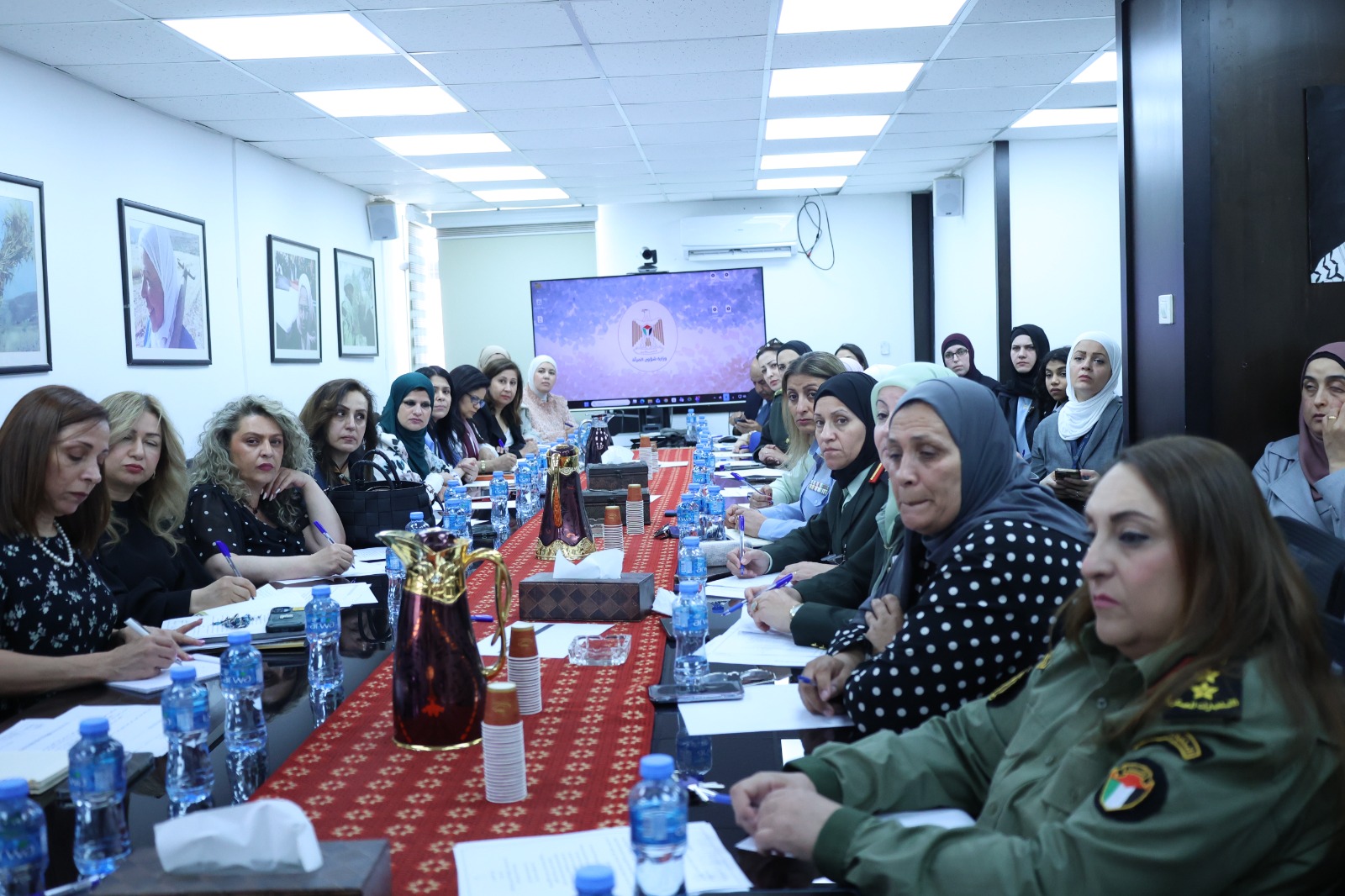
Minister of Women’s Affairs Ms. Mona Al-Khalili held a meeting with female and male representatives of gender units in government institutions and the security sector. The meeting was attended by Undersecretary of the Ministry of Women’s Affairs Buthaina Al-Salem and UN Women Programme Coordinator Inas Marjiyeh.
The meeting followed the Council of Ministers’ decision to begin activating and developing gender units in a number of line ministries and government institutions. The decision forms part of the Government’s reform agenda aimed at institutionalizing gender issues and strengthening their integration into public policies, plans, and government budgets, in line with the Government programme and institutional reform and development plans.
Al-Khalili explained that the meeting aims to establish action plans for gender units in each institution in line with their specific mandates, priorities, and institutional work, in addition to, developing follow-up mechanisms and periodic reports. The minister affirmed that the Ministry of Women's Affairs will continue its coordinating role with institutions and their gender units to ensure the integration of gender issues into government policies and programs and to enhance their impact on public services and development.
Al-Khalili also reviewed the key files on which the Ministry of Women’s Affairs is working in cooperation with all relevant partners, including the draft Personal Status Law. She further addressed the State of Palestine’s decision to begin submitting its periodic reports under the international conventions to which it has acceded, including the Convention on the Elimination of All Forms of Discrimination against Women. In this regard, she emphasized the important role of gender units in providing data, monitoring realities on the ground, and preparing sectoral reports in support of this national process.
She also highlighted the national efforts that led to the inclusion of the Israeli occupation forces on the list of parties suspected of committing patterns of conflict-related sexual violence in the United Nations report on conflict-related sexual violence. This achievement resulted from joint efforts by the Ministry of Women’s Affairs, the Ministry of Foreign Affairs and Expatriates, the Permanent Missions of the State of Palestine to the United Nations in New York and Geneva, civil society organizations, and the relevant United Nations entities.
Al-Khalili also reviewed the Ministry’s efforts to further develop the National Observatory for Monitoring Violence against Women and to launch the child-friendly “Hind Youssef” Platform, which aims to strengthen children’s awareness of the values of equality and justice, as well as their rights, through simplified language appropriate to the targeted age group.
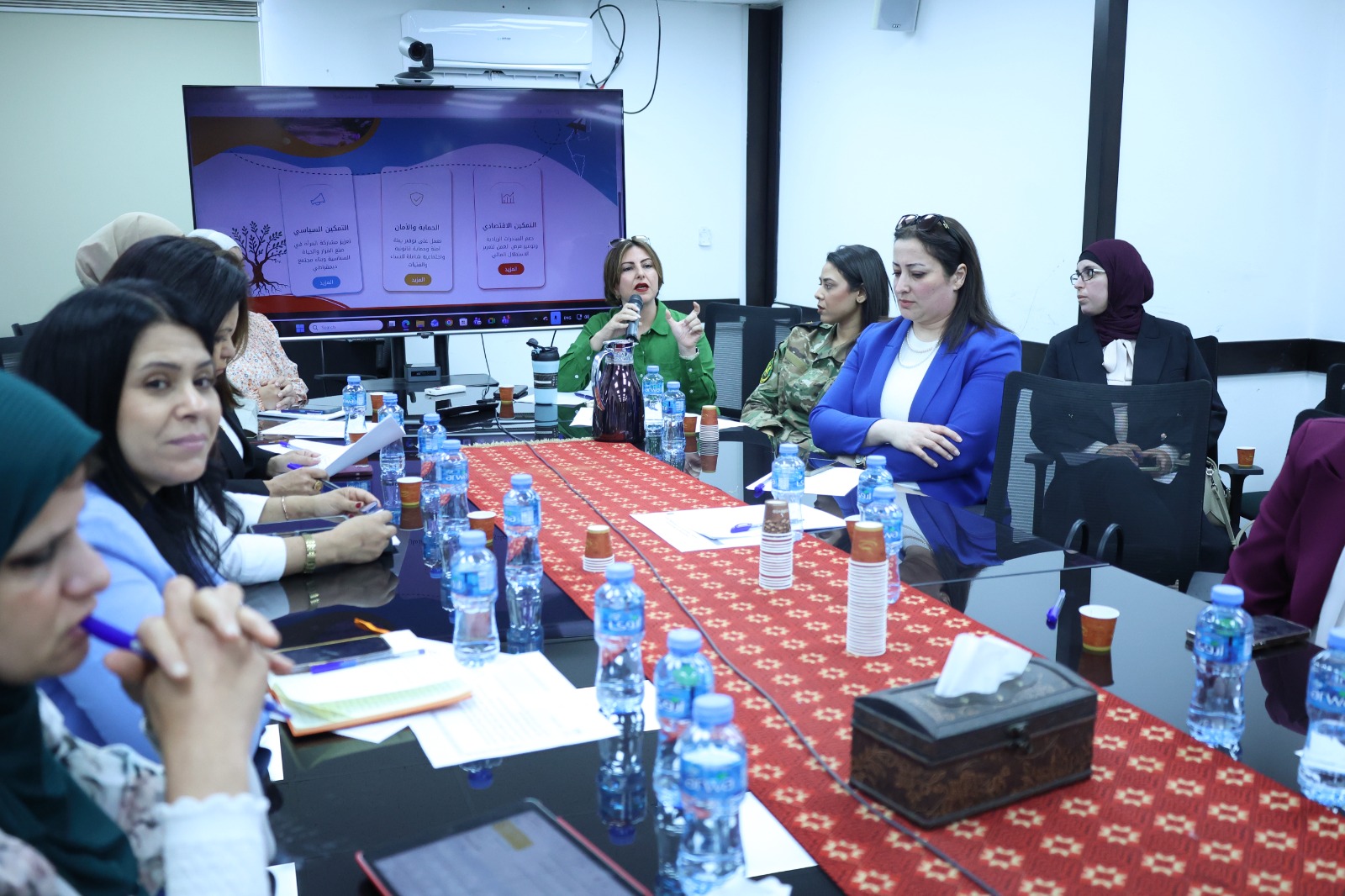
Dr. Hanna Nakhleh, Adviser to the Minister of Women’s Affairs for Foreign Relations, delivered a presentation on the National Observatory for Monitoring Violence against Women. The presentation outlined the Observatory’s objectives, working mechanisms, stages of development, and the national and international partnerships that contributed to its establishment. He also highlighted its role in providing a national database to support protection and advocacy efforts and in empowering women at all levels through programmes tailored to the specific needs of each area.
The meeting included a discussion with representatives of gender units, who emphasized the importance of activating and strengthening the work of these units. It concluded with several recommendations, including holding a workshop to develop action plans for gender units in each ministry and providing the Ministry of Women’s Affairs with the reports and data required to support national reporting processes, including the State of Palestine’s report under the Convention on the Elimination of All Forms of Discrimination against Women.
The recommendations also called for strengthening the participation of gender units in planning and policymaking within ministries, cooperating with the Ministry of Women’s Affairs to provide the National Observatory with relevant data, and contributing to the dissemination of the child-friendly “Hind and Youssef” Platform. Participants further recommended using the Platform for awareness-raising and educational activities in schools and within police awareness programmes.
Related topics
- وزيرة شؤون المرأة: بناء بيئة عمل داعمة للنساء مسؤولية مشتركة
- وزيرة شؤون المرأة تلتقي رئيس بعثة الشرطة الأوروبية وتبحث تعزيز التعاون المشترك
- شؤون المرأة: تزايد أعداد الأسر التي ترأسها النساء في غزة يتطلب استجابة متكاملة تراعي أدوارهن واحتياجاتهن
- وزيرة شؤون المرأة تبحث مع برنامج الأمم المتحدة الإنمائي سبل التعاون والبرامج المشتركة
- The Minister of Women's Affairs meets with the Moon Ladies Group in Jericho and the Jordan Valley.
- The Ministry of Women's Affairs conducts awareness sessions on digital violence in the Ansar area camps in Gaza Strip.
- The Ministry of Women's Affairs conducts awareness and psychological support sessions for women in the shelters in Gaza City.
- Al-Za'eem and Al-Khalili review the gender data and statistics report at the Ministry of Justice for the year 2025.
- Minister of Women's Affairs: Protecting a woman's right in the alimony is protecting the family and promoting social justice.
- Under the patronage of the Prime Minister, the Prime Minister... The Ministry of Women's Affairs grants funds to 45 women's associations to enhance economic empowerment.